Organic Certification for Farmers in Nepal
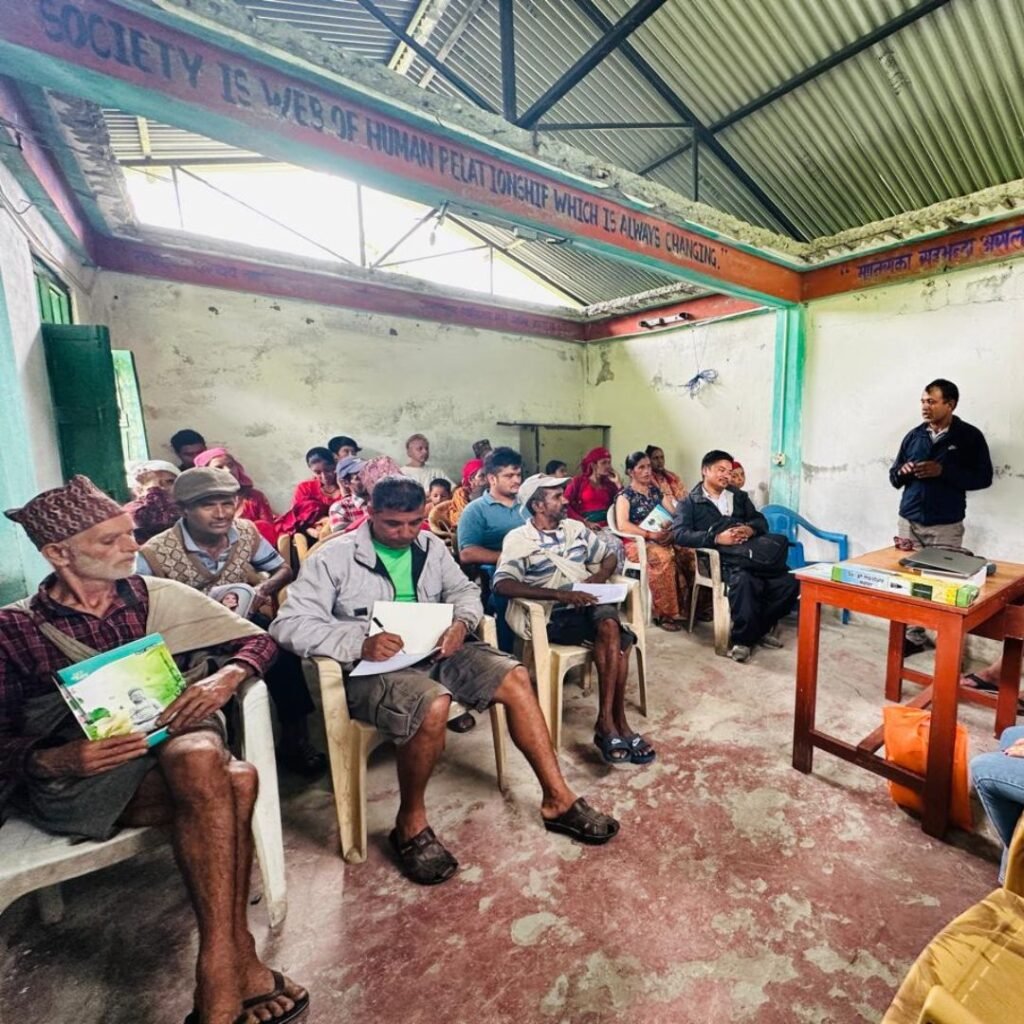
Organic Farming in Nepal Our Work with Smallholder Farmers Ask anyone who grew up in Nepal about Timur Pepper and they’ll describe the tingle first. It’s a small reddish berry from a thorny shrub (Zanthoxylum armatum), a close relative of Sichuan pepper, with a citrusy bite that numbs the tongue a little. It goes into Nepali achar, tomato chutneys and spice blends. Most of it is grown in small amounts by farming families in the hills. In 2025, the GROWN Farm Incubator Foundation began working with some of those families. This post covers where we are working in Nepal, what we did in our first year and what we plan to build next. Where we work: Lumbini, Karnali and Gandaki Our work in Nepal covers three provinces: Lumbini, Karnali and Gandaki. Between them they range from warm lowland valleys to steep, high hill villages, and each climate suits different crops. Working across all three means we can support several value chains instead of depending on one. Some of the communities we work with are hard to reach. One of our early training sessions took place in Mugu, in Karnali Province, where farmers gathered on a hillside terrace to discuss organic methods and what buyers expect. The crops: Timur Pepper, Ginger, Foxtail Millet and Beans Timur / Timut PepperTimur Pepper is in demand among cooks and spice buyers outside Nepal. Farmers harvest the berries by hand, often in remote areas. For most growers, the problem isn’t growing timur. It’s getting a fair price for it, and proving its quality to buyers far away. GingerGinger is a major cash crop in the Nepali hills and fits well with organic methods. Foxtail MilletFoxtail millet is a hardy, traditional grain that copes with poor soil and little rain, which matters more every year as weather gets less predictable. BeansSeveral of the cooperatives we work with grow and sort beans together, doing the cleaning and grading by hand. What we did in 2025 Our first year in Nepal was about groundwork. We identified farmer groups and cooperatives across our three provinces, including in remote areas that development programmes often skip, and started working with them. We also found a site for a processing facility. It will act as a quality hub where produce is checked, processed and packed before it goes to market. The facility will be fitted with processing equipment so that more of a crop’s value stays with the farmers who grew it. We also started digitising the supply chain with GROWN ERP, our digital tool for signing up farmers, registering their profiles and mapping their plots. A buyer can only trust where a product comes from if the farm behind it is on record, so this is where traceability starts. What’s next: our plans for 2026 and 2027 Organic farming and locally made inputsWe’ll train farmers in organic methods and provide quality seeds and organic inputs. We’ll also show farmers how to make bio-fertilizers from materials they already have and how to apply them. This is the same approach we’ve tested at our Organic Farmer Field School in Malawi. Farmers who want to pursue organic certification will get our support. Traceability from farm to consumerWe plan to build on GROWN ERP with a traceability system that follows produce from the field to the final consumer. We’re also designing NFC Farmer Cards: each farmer would carry a card that records the quantity sold and the price paid at every sale. That gives farmers a clear record of their own income, and gives buyers proof that farmers were paid fairly. It also helps with EU rules on traceable sourcing, which more and more European buyers have to follow. Renewable-energy irrigationMany hill farms depend on rain alone. We plan to improve access to renewable irrigation, including pumps, power sources and water distribution, and to help with installation. Processing at two levelsIn villages, we want to give cooperatives equipment for simple processing such as cleaning, drying and sorting. That keeps more value at farm level and creates local jobs. Centrally, we plan a quality control centre and warehouse, so products are stored properly and meet buyers’ standards. Food safety and qualityFor each crop, we’ll map the processing steps and the points where quality or safety can go wrong, then turn that into practical manuals cooperatives can use. We’ll also work with EU-certified laboratories to test products, so farmers can meet the strict food safety requirements of European buyers. Partner with us Our first year in Nepal laid the foundations. The next two years are about building on them, and we’re looking for partners who want to be part of it: Buyers of spices, grains and legumes who want traceable products from Nepal, especially timur and ginger Funders and CSR programmes interested in the processing hub, irrigation or farmer training Technical partners in food safety, lab testing, traceability or organic certification Local organisations already working with farmer groups in Lumbini, Karnali or Gandaki If you’d like to talk, write to us at info@grownfarmfoundation.org. Frequently asked questions How can smallholder farmers in Nepal get organic certification? Most smallholders certify as a group, through a cooperative, which shares the cost and paperwork. They need documented organic practices, approved inputs and records for each farm. We help farmer groups prepare for this. What do international buyers need from organic farmers in Nepal? Usually three things: a recognised organic certificate, traceability back to the farm, and lab results showing the product meets food safety limits. What is Timur Pepper? Timur is a Nepali spice from the Zanthoxylum armatum shrub. It has a citrusy flavour with a slight numbing tingle and is widely used in Nepali pickles and chutneys. Although Timur and Sichuan pepper have some similarities, such as their tingling and numbing characteristics, Timur stands out with its distinct citrusy twist. Although they are closely related in the culinary world, each of them possesses a unique taste that sets them apart.