Organic Certification for Farmers in Nepal
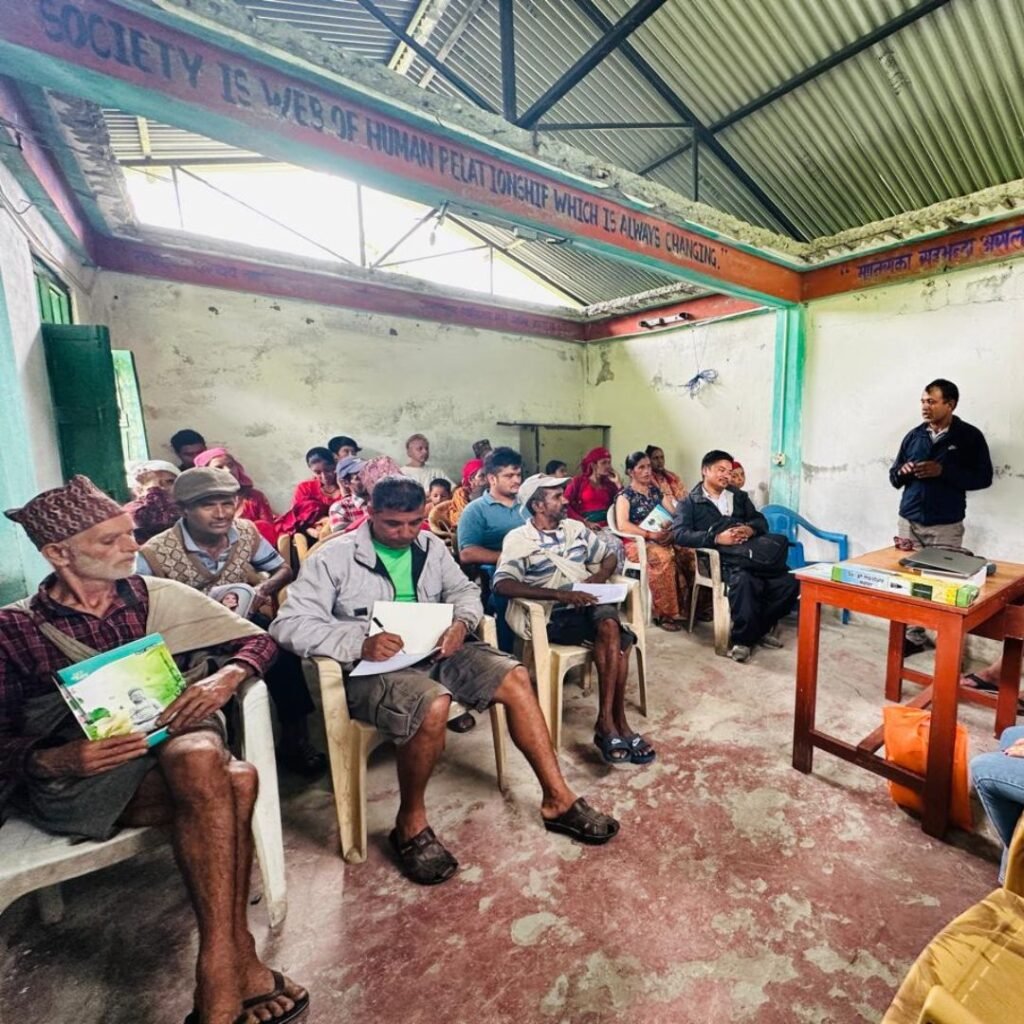
Helping Organic Farmers in Nepal Get Certified and Reach International Markets Farmers in the hills of Nepal grow some of the most distinctive spices in the region. Take timur, a relative of Sichuan pepper with a citrusy, slightly numbing bite. Much of it is grown with few or no chemical inputs, simply because farmers have never been able to afford them. On paper, that sounds like a ready-made organic product for buyers in Europe. In practice, very little of it gets there as certified organic. A buyer abroad needs more than good produce. They need a certificate, records showing where each batch came from, and lab results proving it is safe. Most smallholder farmers in Nepal have none of these. The GROWN Farm Incubator Foundation is working to change that. Why certification and traceability matter for smallholder farmers in Nepal Without certification, a farmer growing organically gets the same price as everyone else. Usually that’s whatever a local trader offers, since remote villages have few other buyers. Certification opens the door to premium organic markets, but it takes paperwork, inspections and costs that one small farm can’t manage alone. Traceability is becoming just as important. European buyers increasingly have to show where their products come from and that the farmers behind them were treated fairly. Produce that can’t be traced to a registered farm and a mapped plot is becoming harder to sell in Europe at all. So the gap isn’t really about farming. It’s about proof. Our work in Nepal aims to give smallholder farmers the systems they need to show buyers what they’re already doing in the field. Where we work and what farmers grow We work with smallholder farmer groups and cooperatives in three provinces: Lumbini, Karnali and Gandaki. Some are in remote areas such as Mugu in Karnali, where we’ve held farmer trainings. The main crops are timur, ginger, foxtail millet and beans. Spread across different climates, these give us spices, grains and legumes to work with, and several possible routes to export. Our first year: laying the groundwork In 2025 we focused on what has to come before certification. We identified farmer groups and cooperatives and started working with them. We also started registering farmers in GROWN ERP, our digital tool for farmer profiles and plot mapping. Every organic certification and traceability system needs to know who the farmer is and exactly where the crop was grown, so this record is the base everything else builds on. Finally, we found a site for a processing facility that will act as a quality hub. Produce will be checked, processed and packed there before it leaves for market. The path to certification and export: our plans for 2026 and 2027 Organic farming practices and inputs Certification depends on farm practices that can stand up to an inspector. We’ll train farmers in organic methods and supply quality seeds and organic inputs. We’ll also teach them to make bio-fertilizers from local materials, so they don’t depend on bought inputs that could put their organic status at risk. Support through organic certification For farmer groups that want to get certified, we’ll help them through the process. That includes keeping the records, preparing for inspections and meeting the standards international buyers recognise. Applying as a group makes the cost and paperwork manageable. Traceability from farm to consumer We plan to expand GROWN ERP into a full traceability system that follows produce from the field to the final consumer. We’re also designing NFC Farmer Cards, which would record the quantity sold and the price paid each time a farmer sells. Buyers get proof of origin and fair payment. Farmers get a clear record of their own income. Food safety and lab testing Organic produce still has to pass the food safety checks international buyers require. For each crop, we’ll map the processing steps and the points where quality can slip, and write practical manuals for cooperatives. We’ll also work with EU-certified laboratories to test products against European requirements. Processing and a central quality hub Buyers want clean, graded, well-packed products. In villages, we plan to equip cooperatives for simple processing, so more value stays with farmers and local jobs are created. Centrally, the quality hub will include a quality control centre and warehouse that meet international storage and quality standards. Alongside this, we plan to improve access to renewable-energy irrigation, so farmers can grow reliable volumes. That matters to any buyer planning long-term sourcing. Partner with us Getting Nepali smallholder farmers into international organic markets needs partners at every step. We’re looking for: If you’d like to work with us, write to info@grownfarmfoundation.org