Supporting Women Self-Help Groups in Meghalaya, India
Processing of Lakadong Turmeric
Lakadong turmeric grows in the hills of Meghalaya, in North-East India, and nowhere else. It’s a local variety known for its high curcumin content and deep colour, and buyers who know turmeric pay attention to it. Much of it is grown by women on small family plots.
The GROWN Farm Incubator Foundation works with these women through their self-help groups (SHGs). Our aim is to help them get more value from a crop that is already exceptional.
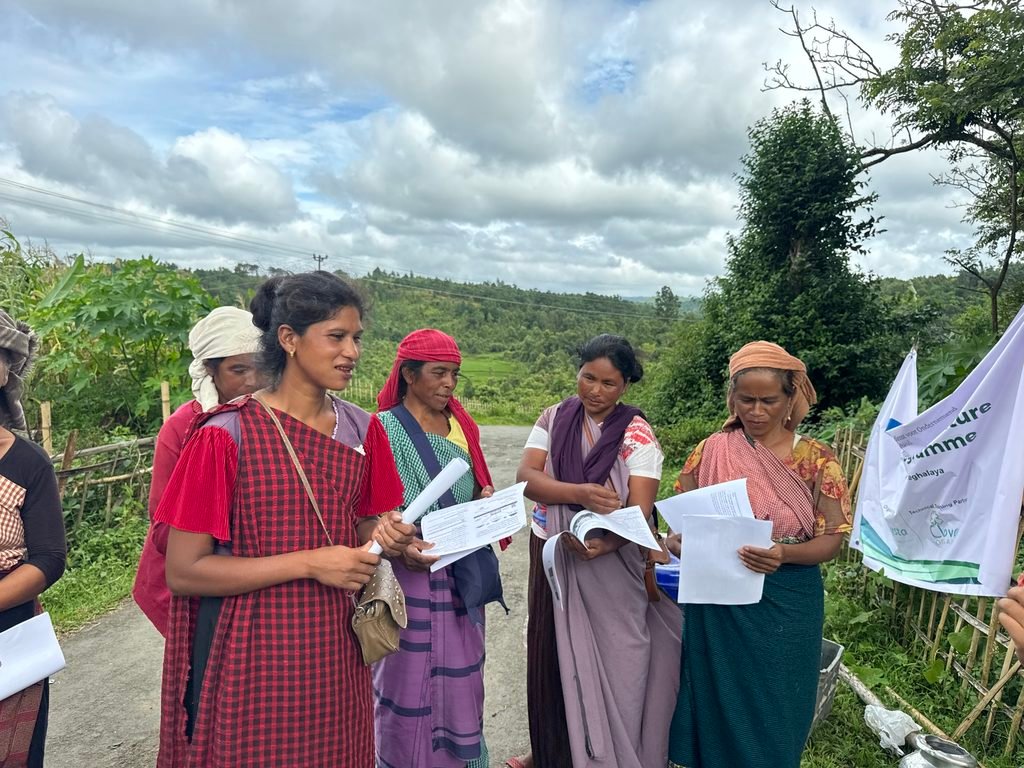
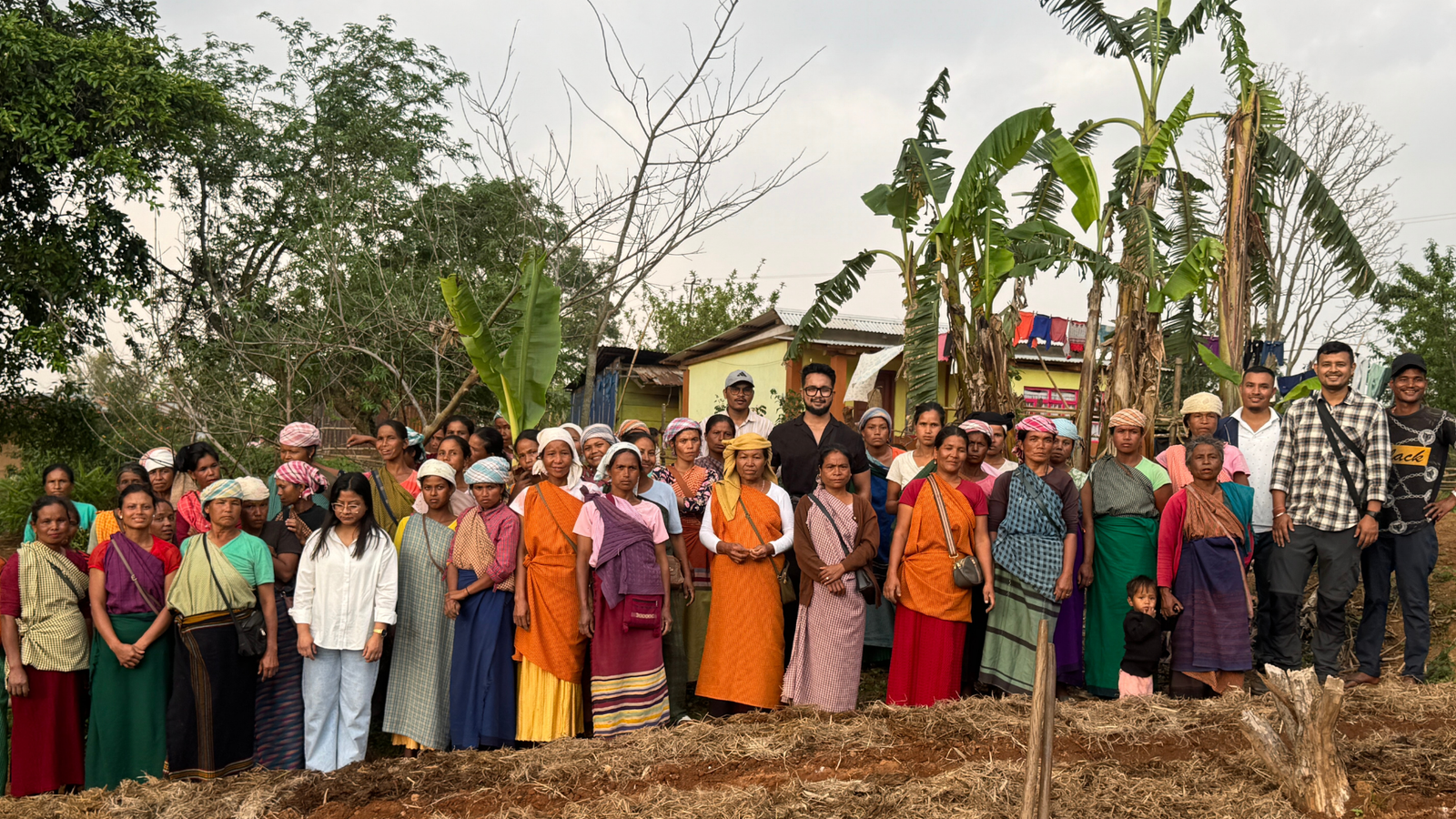
Women self-help groups in Meghalaya
A self-help group is a small collective of women who pool savings, share knowledge and work together to improve their livelihoods. In Meghalaya, the SHGs we support are made up of women smallholder farmers whose members grow Lakadong turmeric.
Working through SHGs makes sense. A single farmer with a small plot struggles to afford processing equipment or meet a buyer’s volume and quality requirements. A group of farmers working together can do both.
How we support the turmeric value chain
Growing good turmeric is only the first step. Before it reaches a buyer, it has to be cleaned, dried, processed, checked for quality and sold. At each step, value can be lost or kept. Our support covers the whole chain:
- Training: farming practices, group management and the skills to run the business side
- Processing facilities: helping SHGs develop local processing so more of the value stays in the community
- Quality standards: guidance on meeting the standards buyers expect
- Digital records: digitising the value chain so produce can be traced back to the farmers who grew it
- Market links: connecting SHGs with buyers for their turmeric products
We also train farmers to use bio-fertilizers in their Lakadong turmeric fields, so they can build soil health without depending on expensive bought inputs.
Planting trees alongside turmeric
With smallholder farmers in Meghalaya, we’ve also planted trees on their farms as part of an agroforestry approach. The trees improve soil health and biodiversity. Over time, they’ll also give farmers a second source of income from the fruit they produce. That matters for any family that depends on a single crop.
Expanding to more women and more crops
Next, we plan to reach more women smallholder farmers and SHGs across North-East India, in two directions:
- New crops: beyond turmeric, into ginger, wild pepper and other spices that grow well in the region
- New states: beyond Meghalaya, into Sikkim and Arunachal Pradesh, where we’ve already identified SHGs that want to join
In the new areas, our support will include organic inputs and quality seeds, training in financial management and group governance, more local processing capacity and stronger links to buyers. The financial training matters as much as the farming: an SHG that keeps good accounts and makes decisions openly is far better at turning a good harvest into lasting income for its members.
Partner with us
We’re looking for partners who want to support women farmers in North-East India:
- Buyers interested in Lakadong turmeric, ginger, wild pepper and other spices from the region
- Funders and CSR programmes that want to support processing facilities, training or the expansion into Sikkim and Arunachal Pradesh
- Technical partners in spice processing, quality standards or traceability
- Local organisations already working with women’s SHGs in North-East India
To get in touch, write to info@grownfarmfoundation.org.
Frequently asked questions
Lakadong turmeric is a variety native to Meghalaya in North-East India. It’s known for its high curcumin content and is considered one of the highest-quality turmerics in India.
A self-help group (SHG) is a small, community-based collective, usually of women, that pools savings and works together on income-generating activities such as farming and processing.
We currently work in Meghalaya and plan to expand into Sikkim and Arunachal Pradesh.